INDIGENOUS PEOPLES' DAY
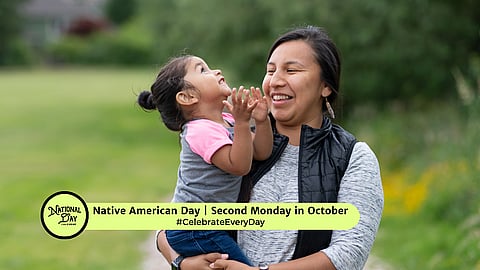
INDIGENOUS PEOPLES' DAY
On the second Monday in October, we pause to honor the deep roots, rich cultures, and enduring spirit of the first peoples of this land. Indigenous Peoples' Day is a vibrant celebration of the history, contributions, and resilience of Native American tribes across the nation.
#IndigenousPeoplesDay
This day is not just a look into the past; it is a recognition of living cultures that continue to enrich our country's tapestry. It's an opportunity to move beyond stereotypes and learn about the diverse traditions, languages, and stories that have shaped this continent for millennia. Indigenous Peoples' Day also highlights the critical efforts to revitalize and preserve hundreds of indigenous languages, each one a unique vessel of culture and knowledge.
When we celebrate Indigenous Peoples' Day, we celebrate an incredible diversity of traditions. Instead of a single culture, there are hundreds of distinct nations, each with its own unique customs. Indigenous Peoples' Day celebrates every aspect for tribes across the county.
Native Americans have a powerful storytelling tradition of oral history, where foundational stories, lessons, and legacies are passed down through generations. Many of these stories are told through artwork, including intricate beadwork of the Plains tribes and the iconic pottery of the Pueblo peoples to contemporary painting and sculpture. Native art is a cornerstone of American culture.
If you are able to experience the thunderous rhythm of the drum and the breathtaking pageantry of a powwow, you will witness a social gathering where tribes share their songs and dances in a celebration of community and heritage.
5 WAYS TO CELEBRATE INDIGENOUS PEOPLES' DAY
Observing Indigenous Peoples' Day is an invitation to learn, listen, and engage. Here are some meaningful ways you can participate in Indigenous Peoples' Day:
Read a book by a Native American author. You could start with the incredible work of Louise Erdrich, Sherman Alexie or Tommy Orange.
Explore a local museum or a state historic site to learn firsthand about the lives and history of the region's tribes.
Seek out and purchase authentic arts, crafts, and goods from Native creators. This directly supports the artists and helps preserve their cultural practices.
Many communities and universities host talks, film screenings, or celebrations. A powwow is an especially welcoming and powerful event to witness.
Use your social media to share what you've learned. Post articles, showcase artists, and use hashtags like #indigenousPeoplesDay and #IndigenousPeoplesDay to promote awareness.
INDIGENOUS PEOPLES' DAY HISTORY
Indigenous Peoples' Day honors all Native Americans. South Dakota led the way, officially changing Columbus Day to Indigenous Peoples' Day in 1990 after a "Year of Reconciliation" was declared by Governor George S. Mickelson. California soon followed.
In recent years, the movement has gained national momentum, with many states and cities choosing to celebrate Indigenous Peoples' Day on the same date. In 2021, this shift was recognized at the highest level when President Joseph Biden issued the first-ever presidential proclamation for National Indigenous Peoples' Day, marking a significant step in acknowledging and respecting the history and contributions of America's first inhabitants.
DATES:
13 October 2025
12 October 2026
11 October 2027
9 October 2028
8 October 2029