NATIONAL SERVICE DOG MONTH
NATIONAL SERVICE DOG MONTH
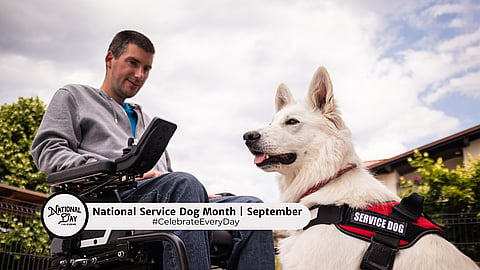
The month of September is National Service Dog Month to shine the spotlight on the contributions of service dog. This month-long observation honors the highly trained canines that have a profound impact on their handler's lives, but also educates the public about proper etiquette when encountering a service dog.
#NationalServiceDogMonth
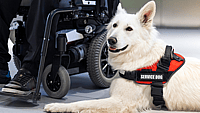
A service dog is a dog that is trained to perform tasks for a person with a disability. Unlike an emotional support or therapy animal that provide companionship, a service dog performs tasks directly related to the disability of the handler. This includes assisting people with physical disabilities, such as balance, blood sugar changes, mobility, and even seizures. However, a service dog also provides assistance for people with invisible disabilities, such as PTSD (post-traumatic stress disorder).
Service dogs are individually trained to to perform specific tasks for their handler. The training is extensive for both the animal and the handler. Once established, the relationship between the dog and handler goes is beyond pet-owner. In fact, it's a relationship built on trust and communication. From recognizing irregular breathing patterns by the handler, to the handler providing essential needs to the dog, the relationship between the two is a lifelong team dynamic.
There are many common skills a service dog is trained for. However, each individual dog is not trained the same way for the same purpose. A service dog and potential handler work long hours to develop the right dynamic for their individual handler. Just like people, no two service dogs are alike. Here are a six common skills of a service dog:
Guidance for people who are blind or have low vision.
Physical support for people with mobility impairments, including pulling a wheelchair.
Performing deep pressure therapy during panic attacks or a PTSD episode.
Intentionally disrupting and redirecting impulsive or destruction behaviors.
Opening doors, retrieving dropped items, or turning on lights in a room.
Alerting and responding to medical issues, such as diabetic emergencies, important sounds for hearing impaired, or seizures.
Service Dog Etiquette
When you encounter a service dog in public, it's important to use proper etiquette to ensure the safety of the dog, the handler, and the curious bystander. Keep in mind even though a service dog may be "cute" or "cuddly," they are on the job and will protect their handler against anything the animal may feel is a danger. There are precautions you can take if you come in contact with a service dog to make your encounter pleasant:
Speak to the handler, not the dog. Direct your questions and comments to the person.
Do not distract the service dog by petting, making eye contact, talking to, or making noises at the dog.
Always ask for permission before petting. The handler may not want their dog to be petted. Respect their decision.
Keep your own pets at a distance. Even a friendly pet can be a distraction and a potential danger to a working service dog team.
Give the service dog and handler the right of way to pass freely and have ample space to work.
Educate others. If you see someone interacting inappropriately with a service dog, you can politely inform them that the dog is working and shouldn't be distracted.
When we educate ourselves to be respectful about the role of any service dog, we are are looking beyond the disability of the handler.
PARTICIPATE IN NATIONAL SERVICE DOG MONTH
Educate yourself and others about service dogs.
Thank a service dog handler and be respectful when they are in the public.
Organize a fundraiser and donate the funds raised to a service dog organization.
Invite a speaker or trainer into your child's school to educate students about the importance of service dogs.
Share your stories, photos, and support on all of your social platforms using the hashtag #NationalServiceDogMonth.
HISTORY BEHIND NATIONAL SERVICE DOG MONTH
We were unable to find the creator of National Service Dog Day. We were able to find the day seems to have originated in the early 2000s by several organizations working together to raise awareness and funds for service dog organizations and to recognize the dogs and handlers.
Shop this day
What's Next