
Victory in Europe Day (V-E Day)
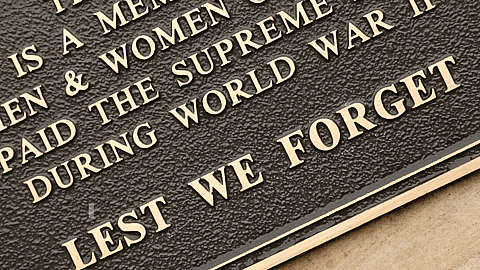
V-E DAY
Victory in Europe Day (V-E Day) commemorates the formal acceptance of Nazi Germany's unconditional surrender by the Allied forces on May 8, 1945, effectively ending World War II in Europe. This day is observed annually to honor the immense sacrifices made during the war and to celebrate the restoration of peace across the continent.
HISTORY OF V-E DAY
The surrender was signed on May 7, 1945, in Reims, France, by German Colonel General Alfred Jodl, and it took effect the following day. The announcement sparked widespread celebrations, with crowds gathering in cities like London and Paris. In the United Kingdom, Prime Minister Winston Churchill addressed the nation, and King George VI delivered a radio broadcast to mark the occasion. Latest news & breaking headlines
While May 8 is recognized as V-E Day in Western Europe and the United States, Russia and some former Soviet states observe Victory Day on May 9, due to the time difference when the surrender became effective in Moscow.
HOW TO OBSERVE V-E DAY
Attend Remembrance Events: Participate in local ceremonies or services honoring veterans and those who lost their lives during World War II.
Visit Memorials: Pay respects at war memorials or museums to learn more about the history and sacrifices of the era.
Educational Activities: Engage in discussions or educational programs that delve into the events of World War II and the significance of V-E Day.
Moment of Silence: Observe a moment of silence at 3:00 PM local time, a tradition in some countries to honor the fallen.
Share Stories: Encourage conversations with family members or friends who have personal or familial connections to the war, preserving their stories for future generations.
Use the hashtag #VEDay on social media to share your commemorations and educate others about the importance of this day.
V-E DAY FACTS
Global Observance: V-E Day is recognized in various countries, with some observing it as a public holiday, while others hold commemorative events.
80th Anniversary: In 2025, the 80th anniversary of V-E Day was marked by ceremonies across Europe, including a major service at Westminster Abbey attended by British royalty and veterans.
Historical Significance: The day symbolizes not only the end of a devastating conflict but also the resilience and unity of nations in the face of tyranny.
V-E DAY TIMELINE
May 7, 1945: Germany signs the unconditional surrender in Reims, France.
May 8, 1945: The surrender takes effect, leading to celebrations across Europe and North America.
May 9, 1945: Soviet Union and some Eastern European countries commemorate Victory Day due to time zone differences.
WHY V-E DAY IS IMPORTANT
Honoring Sacrifice: It serves as a reminder of the millions who lost their lives and the immense sacrifices made to restore peace.
Educational Value: The day provides an opportunity to educate current and future generations about the horrors of war and the value of peace.
Promoting Unity: V-E Day underscores the importance of international cooperation and unity in overcoming global challenges.
By observing V-E Day, we not only pay tribute to the past but also reaffirm our commitment to a peaceful and just future.